Analyze Surgical Videos with Computer Vision
Teach AI to recognize instruments and the steps of an operation in real surgical video.
- Length
- 8 or 14 weeks
- Mentoring
- Weekly 1:1
- Between sessions
- Q&A channel
- Price
- From $1,900
What you will do
The project
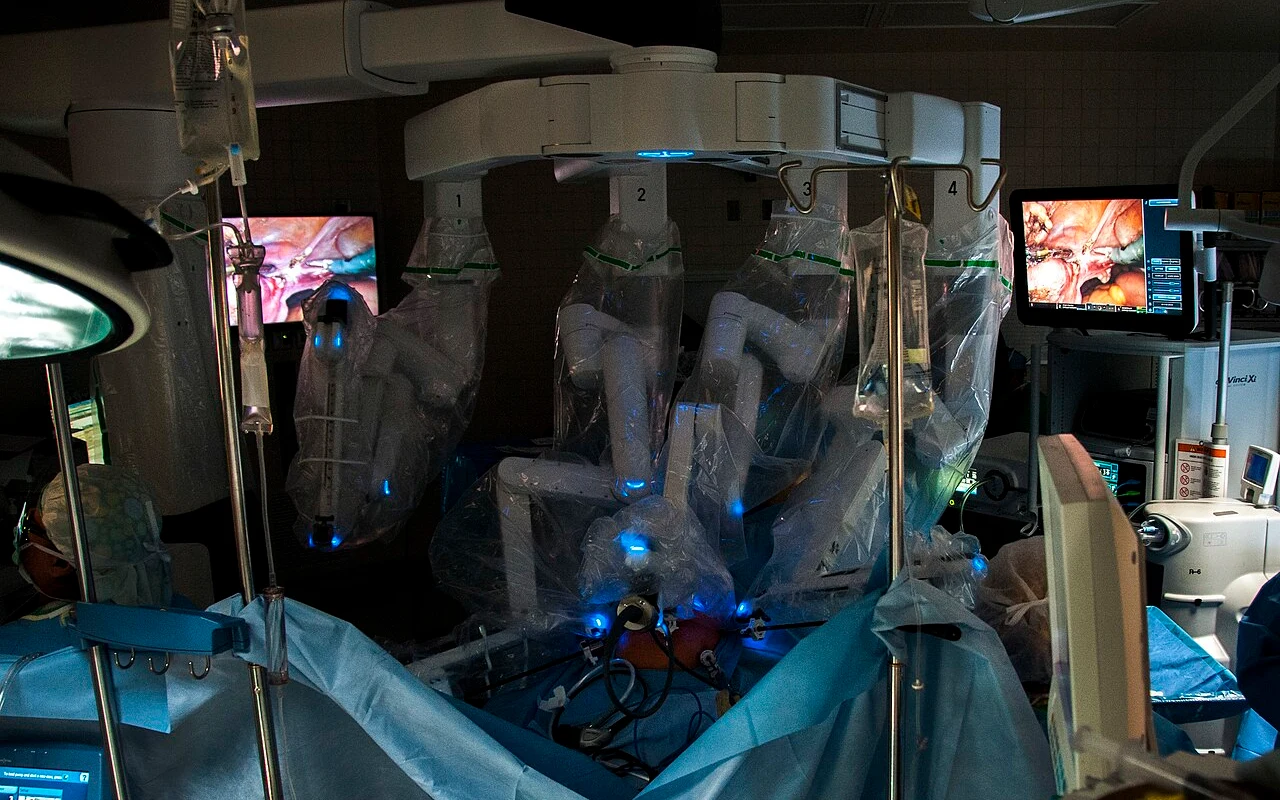
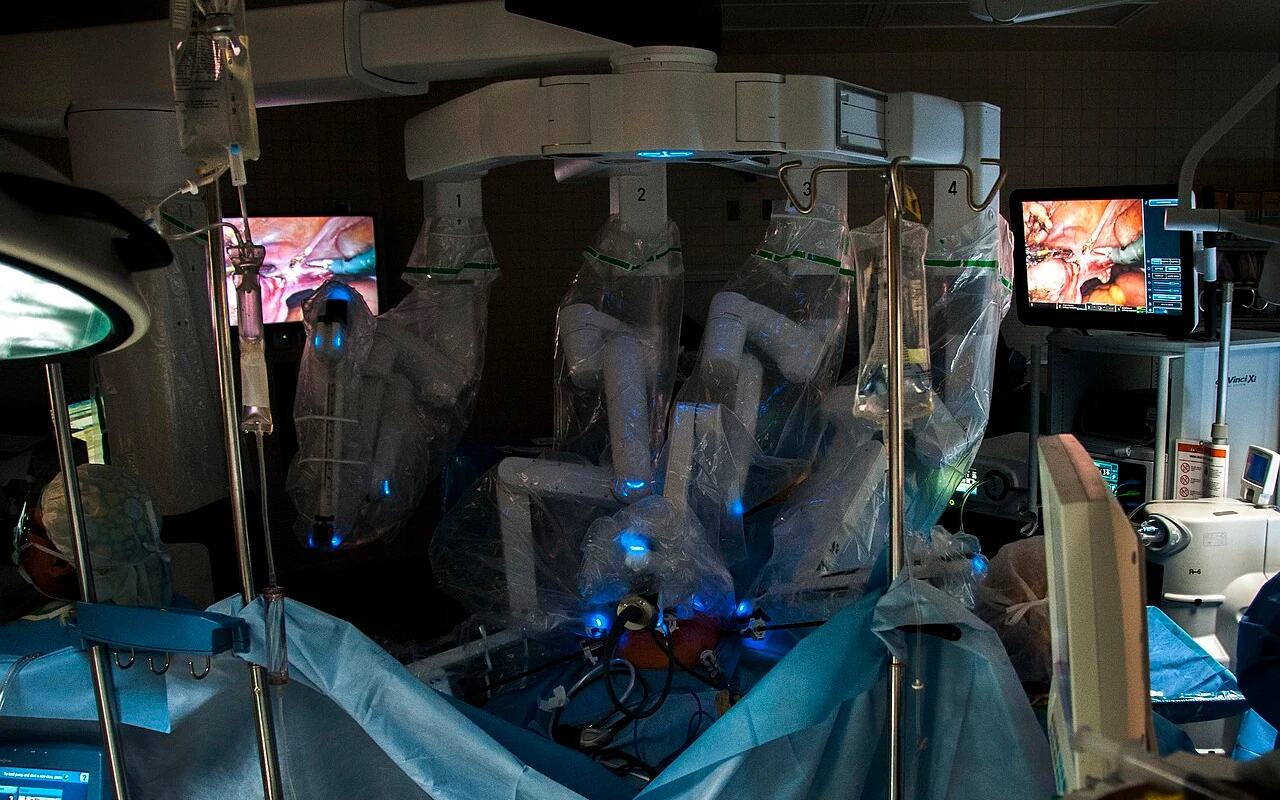
Operating rooms record hours of video that almost nobody reviews. Computer vision can turn that video into insight about workflow, skill and safety.
You will detect instruments, recognize surgical phases and visualize an operation as a timeline. Dr. Harari's work in this area includes deep-learning analysis of surgical team skills published in JAMA Network Open.
What you will build
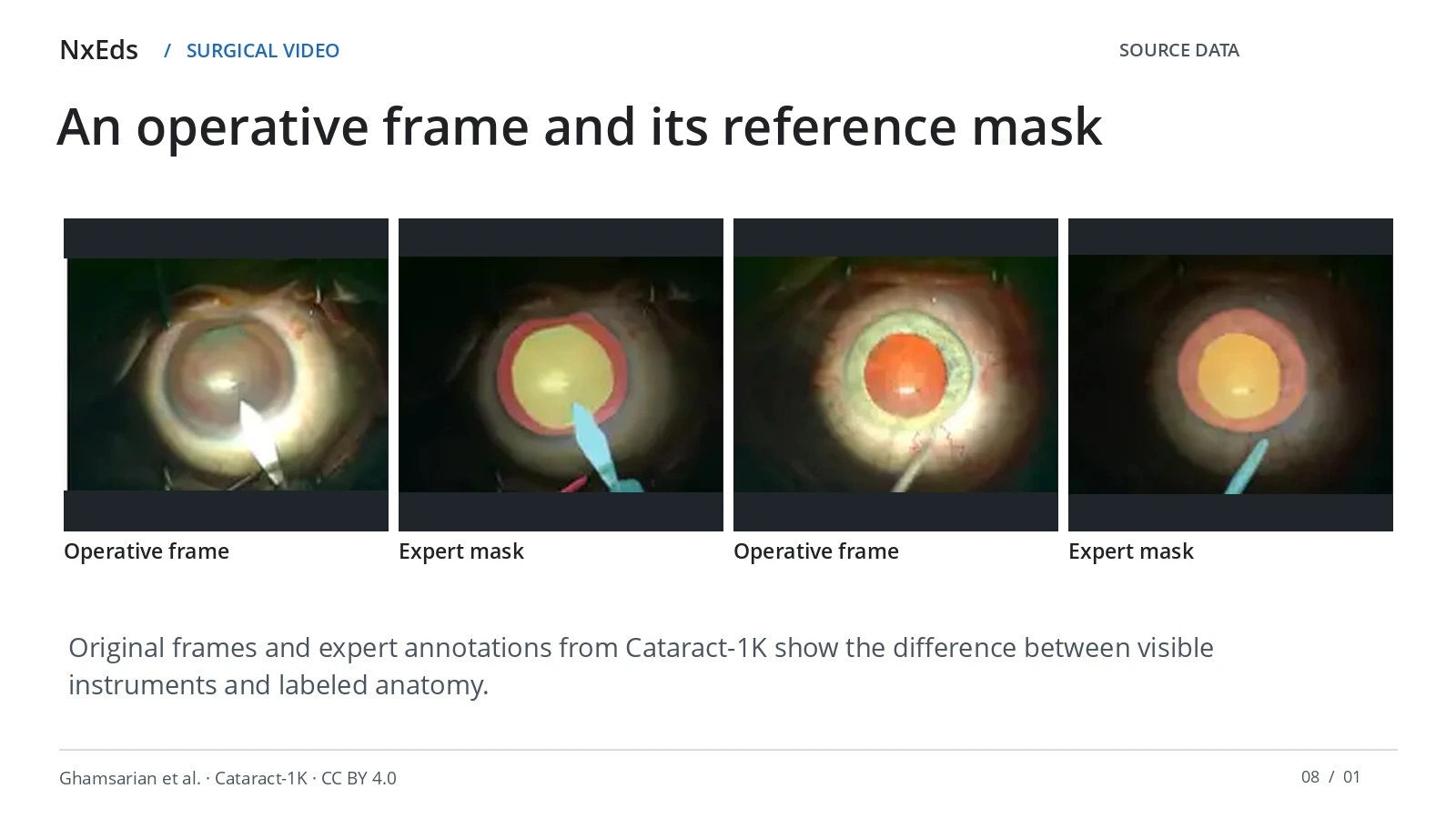
- A segmentation model that outlines instruments and anatomy in surgical video frames
- A model that recognizes the phases of an operation
- A timeline visualization of a full procedure
- Optional: measures of workflow and team coordination
The clinical problem
See what you will be working on
Your journey
From week 0 to your final presentation
Here is where you start, and what you will be able to do by the end.
Week 0: where you start
- No AI or coding experience needed. Your mentor teaches what you need, at your level.
- A laptop and a free Google account. We work in free, browser-based notebooks.
- Curiosity about a medical question, and 3–6 hours a week.
Final week: where you finish
- Describe how a cataract operation unfolds step by step
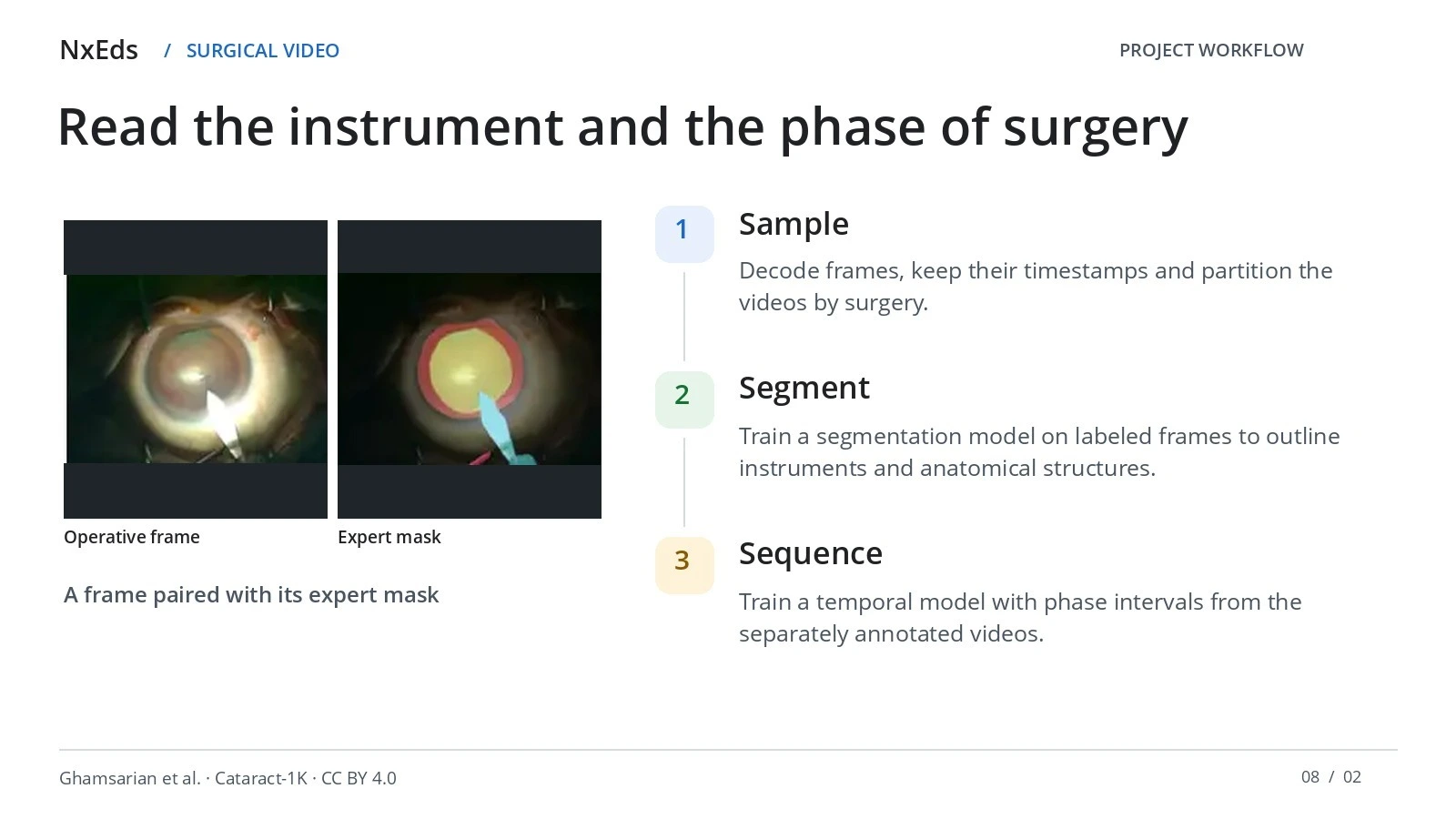
- Prepare video data and labels for computer vision
- Train a segmentation model for instruments and anatomy
- Model the phases of an operation over time
- Turn a full procedure into a clear timeline
Curriculum
Your project, step by step
Shown for the 14-week Publication Fellowship. The 8-week Project Fellowship covers the same steps at a faster pace and focuses on the core build.
- 1Output: Research question
Weeks 1–2
Learn the operating room
How an operation unfolds and what video can measure.
- 2Output: Frame dataset
Weeks 3–4
Prepare the video
Extract frames, review labels and set up splits.
- 3Output: Segmentation model
Weeks 5–8
Segment instruments
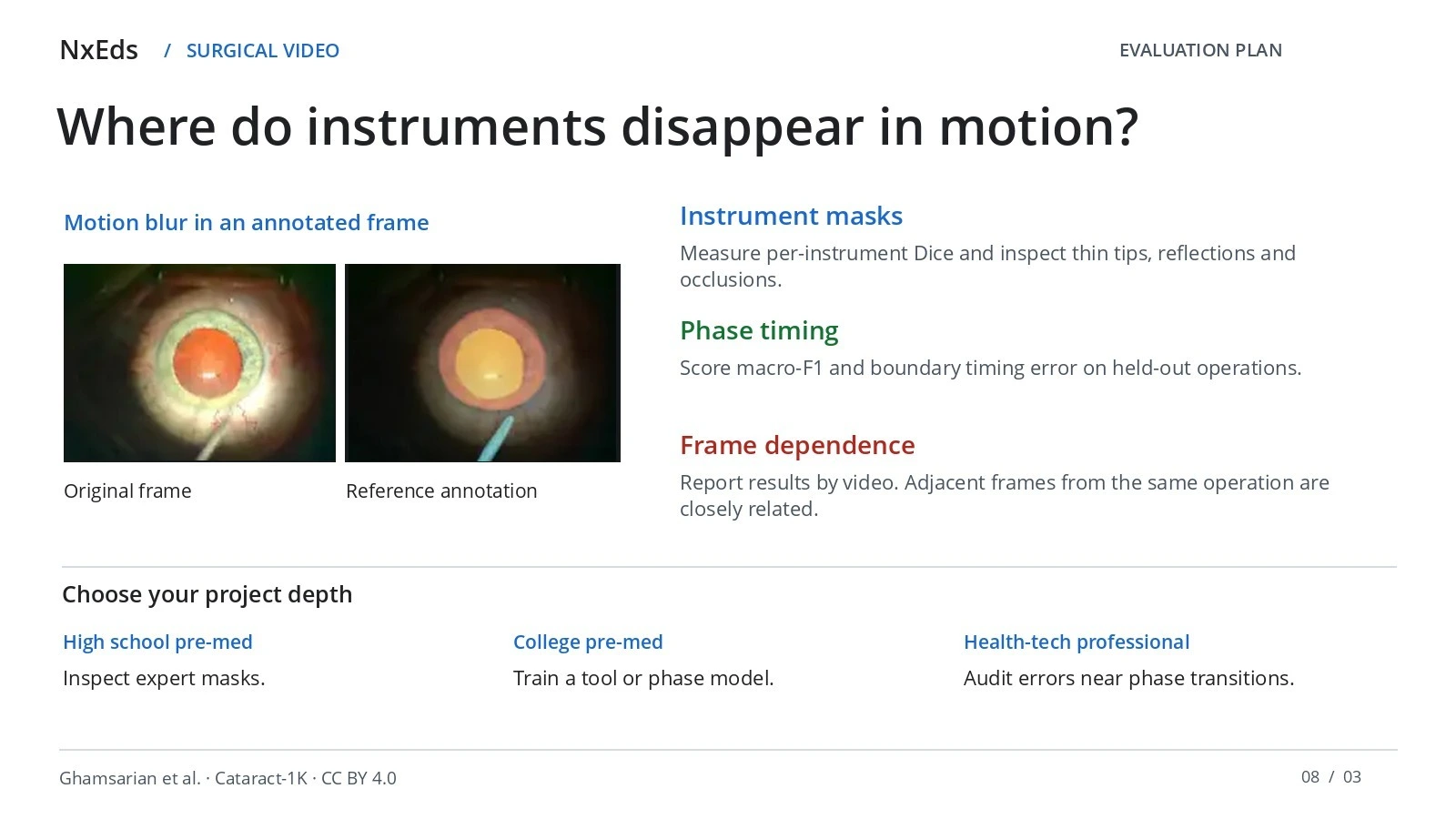
Train a segmentation model on expert masks and measure Dice per instrument.
- 4Output: Phase timeline
Weeks 9–11
Recognize phases
Add temporal modeling and build the timeline view.
- 5Output: Report and demo
Weeks 12–14
Write and present
Present your results and a video demo.
Weeks 1–2
Learn the operating room
How an operation unfolds and what video can measure.
What you will cover
- Inside the operating room
- Phases of a cataract procedure
- What video can and cannot measure
Weeks 3–4
Prepare the video
Extract frames, review labels and set up splits.
What you will cover
- Extracting frames from video
- Reviewing and fixing labels
- Splitting by procedure
Weeks 5–8
Segment instruments
Train a segmentation model on expert masks and measure Dice per instrument.
What you will cover
- How segmentation models work
- Training on expert masks
- Measuring Dice per instrument
Weeks 9–11
Recognize phases
Add temporal modeling and build the timeline view.
What you will cover
- Temporal models for phase recognition
- Smoothing predictions over time
- Building the timeline view
Weeks 12–14
Write and present
Present your results and a video demo.
What you will cover
- Writing your report
- Video demo
- Demo Day presentation
How each week works
A typical week in your fellowship
- 1
Each week
1:1 session with your mentor
60 minutes to review progress, solve problems and plan the week.
- 2
During the week
Work through your tasks
Guided notebooks, readings and short exercises, at times that suit you.
- 3
Anytime
Ask in your channel
Questions and advice from your mentor team, answered within one business day.
- 4
End of week
Share progress, get feedback
Post your progress and get written feedback before your next session.
Skills you will gain
Tools
Data
Cataract-1K: cataract surgery videos with expert segmentation masks and phase annotations (Ghamsarian et al., CC BY 4.0). No real patient records are ever used.
Research questions you could explore
- Can AI recognize the phases of an operation automatically?
- Can video reveal how surgical teams coordinate?
What you get
When you finish
Certificate
When you complete the project.
Letter of recommendation
If you meet all requirements.
Demo Day and project page
Present and share your work.
Publication support
For strong results, in Research and Publication Fellowships.
Pricing
Choose your fellowship length
Project Fellowship
8 weeks · A focused first project: build, evaluate and present a working medical AI model.
$1,900
One-time payment, or 3 payments on request
- 8 weekly 1:1 sessions (60 min)
- Private Q&A channel with your mentor
- Starter code, curated public data and templates
- Demo Day and a public project page
- Certificate and letter of recommendation*
Publication Fellowship
14 weeks · The full research cycle, from clinical question to poster, abstract and manuscript draft.
$2,900
One-time payment, or 3 payments on request
- 14 weekly 1:1 sessions (60 min)
- Private Q&A channel with your mentor
- Research question, analysis and poster
- Abstract, conference and manuscript support
- Certificate and letter of recommendation*
Get ready
Courses that pair well with this project
Surgical Video Analysis with Computer Vision
Detect instruments and recognize the phases of an operation in surgical video.
Learn more →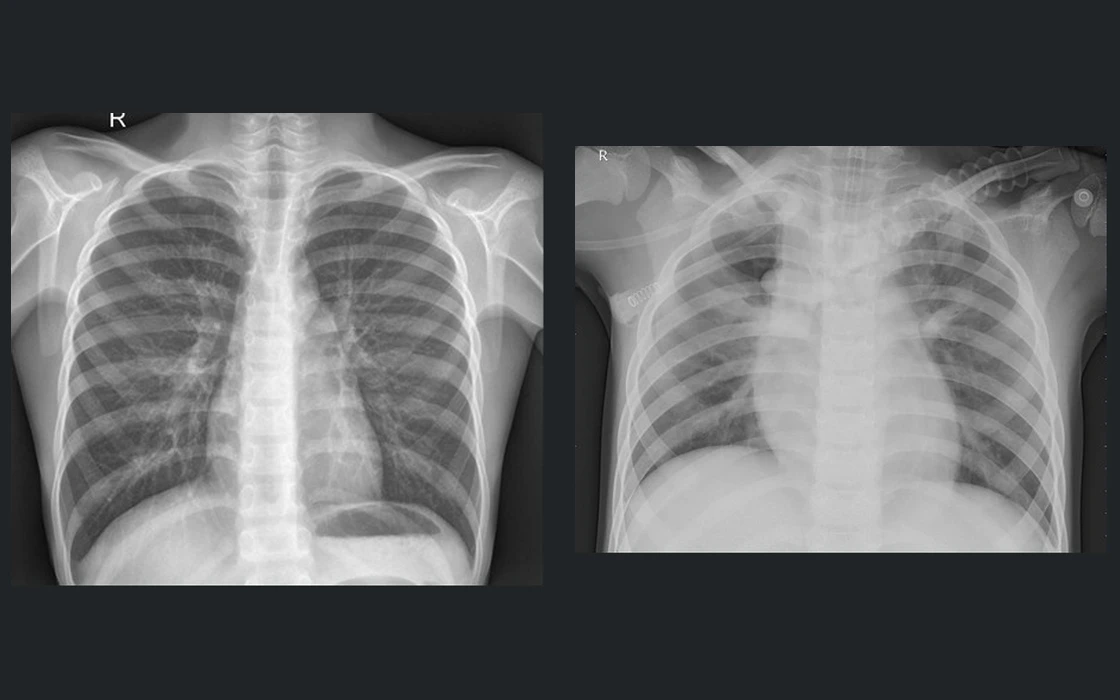
Deep Learning for Medical Imaging
Build image classifiers for X-ray, MRI and OCT with modern deep learning.
Learn more →
Evaluating Clinical AI: Metrics, Bias & Validation
Learn how to prove a medical AI model works, for whom, and what evidence would justify using it in care.
Learn more →Questions
Is this project right for my level?
Yes. The same project runs at different depths. Your mentor adjusts the materials and goals for pre-med high school students, pre-med college students and health-tech professionals.
How much time does it take each week?
Plan for your 60-minute 1:1 session plus about 3–6 hours of independent work, depending on your fellowship length and goals.
Can I bring my own idea?
Yes. These questions are starting points. Many learners shape their own question with their mentor in week one.
Explore other projects
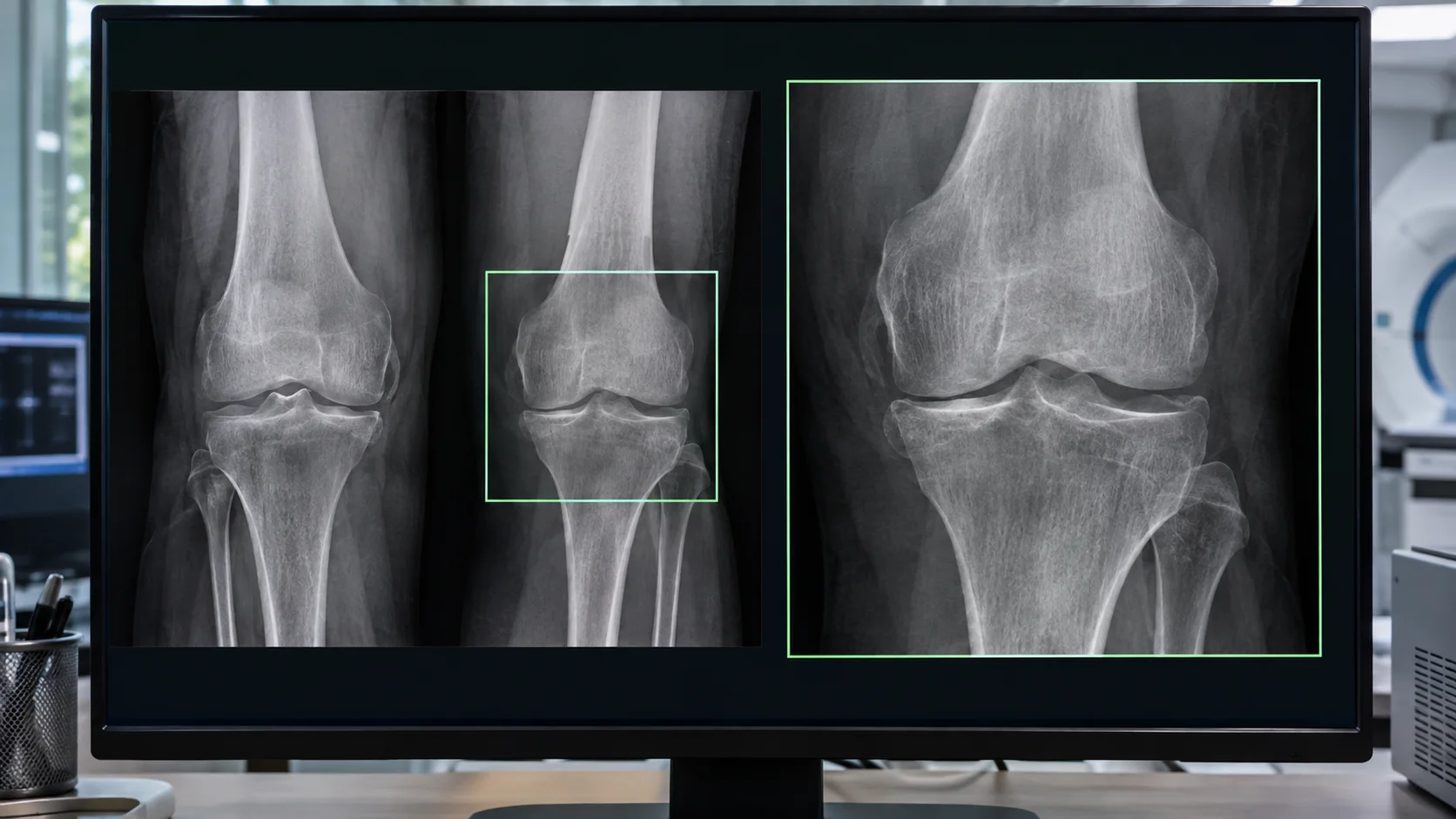
Predict Knee Osteoarthritis from X-rays
Train a deep-learning model to grade knee osteoarthritis on X-rays, then show clinicians why it made each call.
Learn more →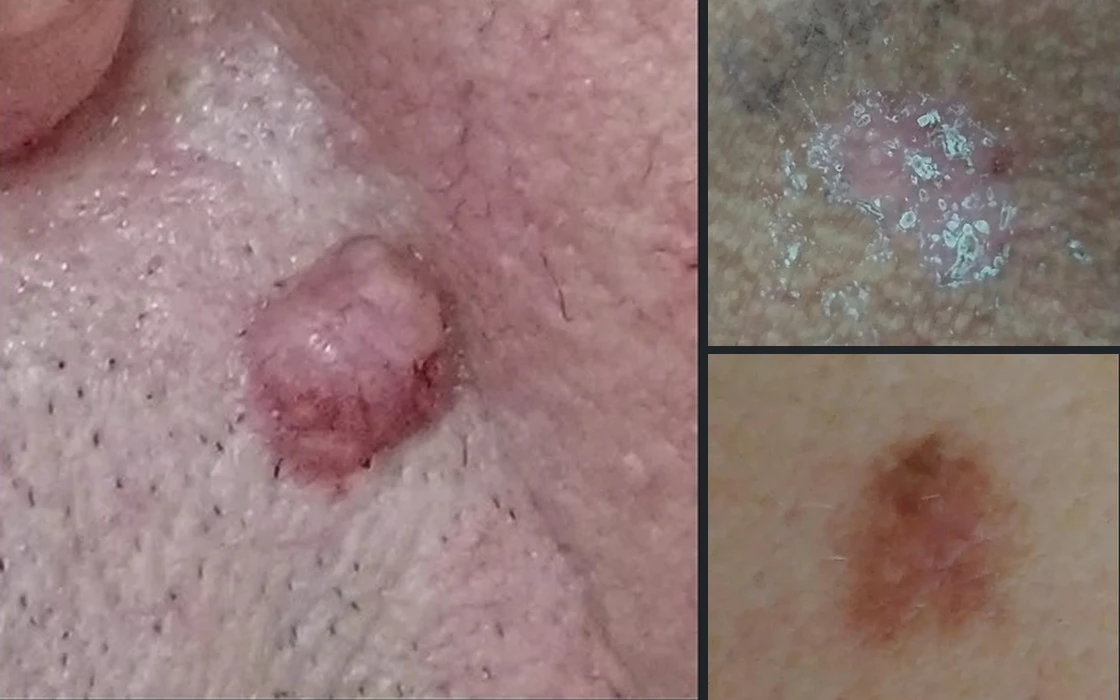
Detect Skin Cancer in Dermatology Images
Build a model that flags suspicious skin lesions for a dermatologist to review, and test whether it works fairly for everyone.
Learn more →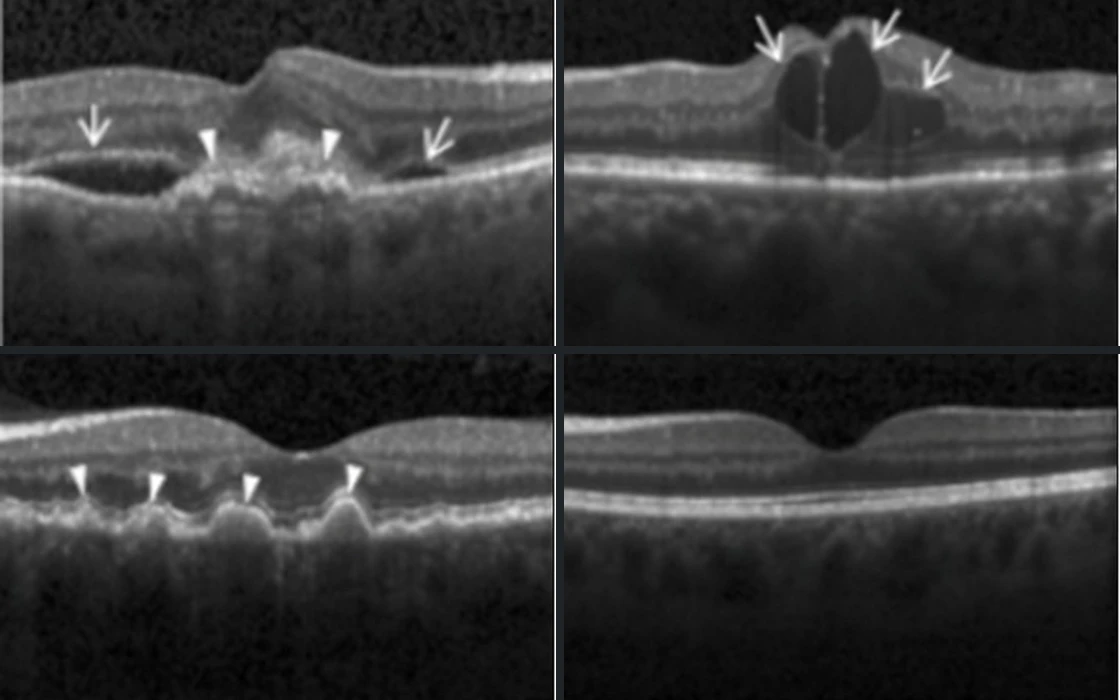
Find Eye Disease in Retinal OCT Scans
Teach a model to read retinal scans and spot conditions such as macular edema before they threaten vision.
Learn more →Ready to start this project?
Pay online, choose 3 payments, or ask us anything first.